
Hiring a Skip for Garden Clearances and Landscaping Projects
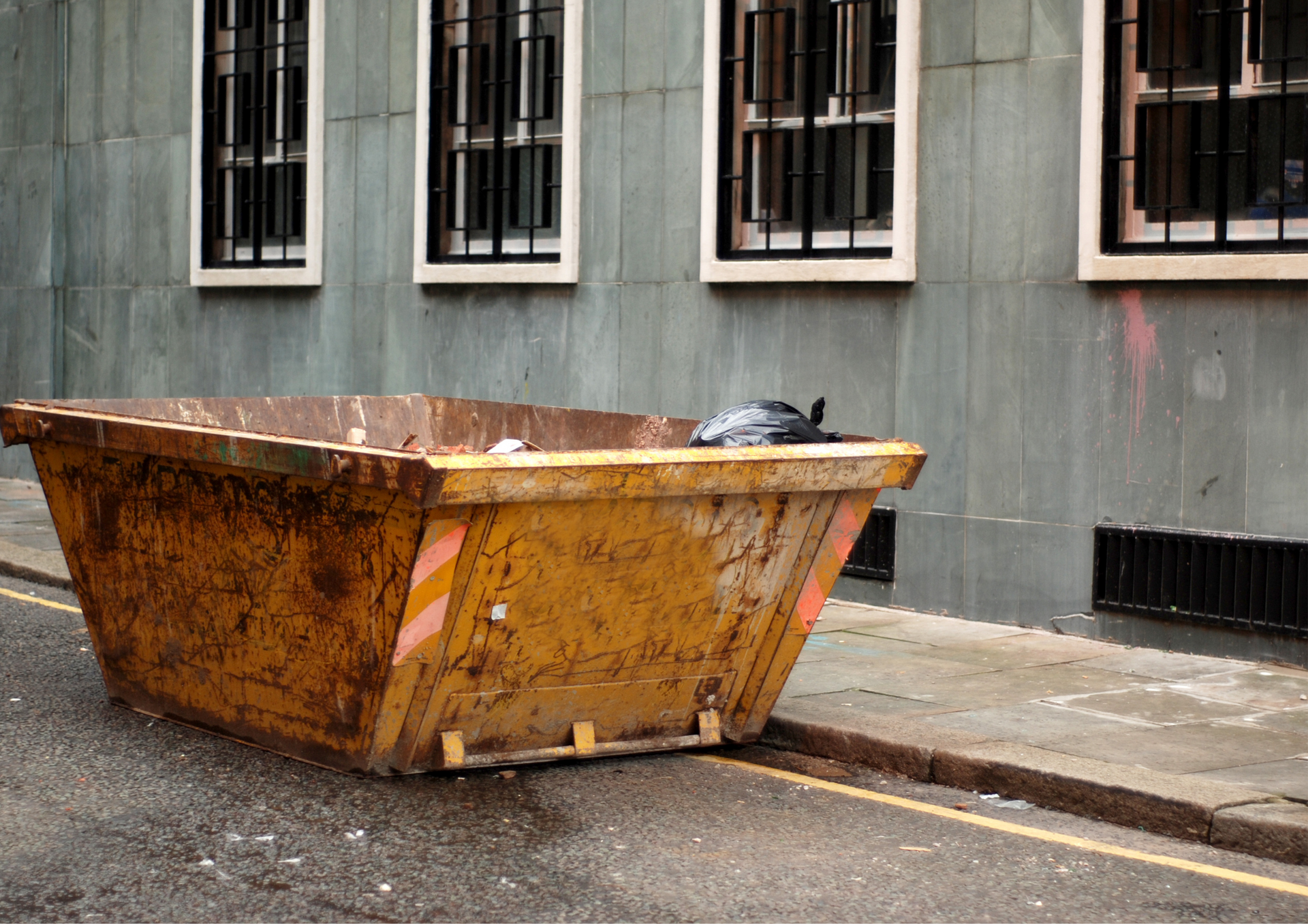
Garden clearances and landscaping projects often generate far more waste than expected. From soil and turf to branches, paving slabs, and old garden furniture, disposing of it properly can quickly become a challenge. Many homeowners, landscapers, and contractors find that hiring a skip is the most practical way to keep their project organised, safe, and compliant with waste regulations.
This article covers how skip hire helps with garden projects and how to choose the right skip.
Why Skip Hire Is Ideal for Garden and Landscaping Waste
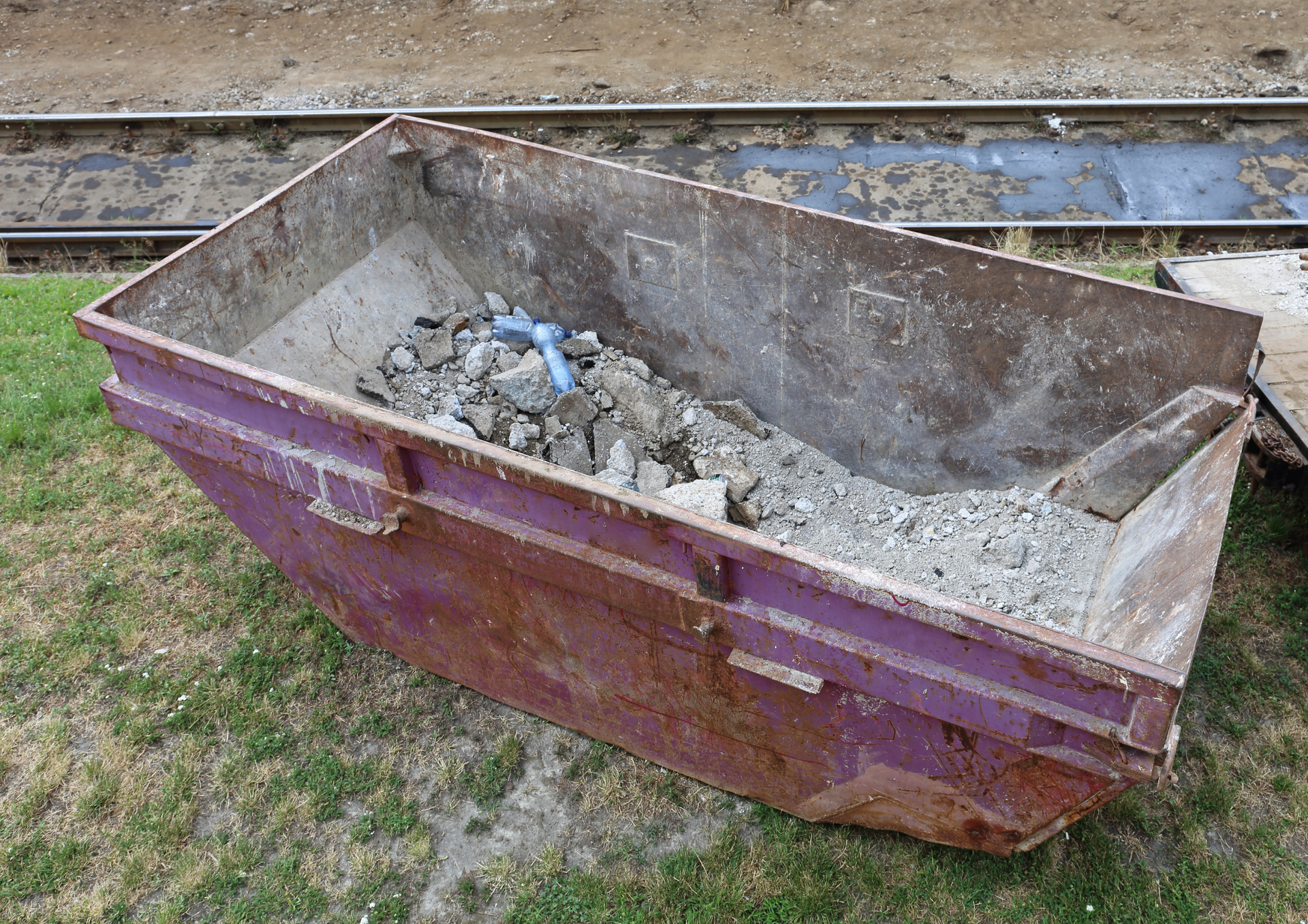
Garden and landscaping waste is often bulky, heavy, and awkward to transport. Soil, rubble, hedge trimmings, tree branches, and broken fencing panels quickly add up, making multiple trips to the tip both time‑consuming and costly.
Using a skip allows all waste to be collected in one place, keeping the site tidy and reducing disruption. This is particularly important for professional landscapers and construction companies working to tight schedules, but it also benefits homeowners who want to complete their garden projects efficiently.
Another key advantage is compliance. Waste from landscaping projects must be disposed of responsibly, and reputable skip hire providers ensure that recyclable materials are separated and processed correctly. This removes the risk of fly‑tipping fines or improper disposal.
For projects of any size, hiring a skip helps maintain a safer working environment. Clear access paths reduce trip hazards, and waste doesn’t pile up around the garden or site, allowing work to continue smoothly from start to finish.
Choosing the Right Skip Size for Your Project
Selecting the correct size is one of the most important decisions when planning garden or landscaping work. Too small, and you risk overfilling or needing an additional skip. Too large, and you may pay for unused space.
For smaller garden clearances, such as removing shrubs, grass cuttings, or light soil, a 4 yard skip is often sufficient. This size works well for modest domestic projects and properties with limited space.
Medium‑sized landscaping jobs, including patio removals or hedge reductions, are better suited to a 6 yard skip hire option. This size balances capacity and practicality, making it a popular choice for both homeowners and professional gardeners.
Larger projects, such as full garden redesigns or tree removal, may require an 8 yard skip, which can handle heavier materials like soil, stones, and broken paving slabs.
For extensive commercial landscaping or large estate clearances, a 12 yard skip may be more appropriate, particularly when dealing with bulky but lighter green waste. Choosing the right size from the outset ensures your project runs efficiently without unnecessary delays or added costs.
What Can and Can’t Go in a Garden Skip
While skips are ideal for most garden and landscaping waste, there are still restrictions on what can be placed inside. Understanding these rules helps avoid collection issues and extra charges.
Generally accepted materials include soil, turf, branches, leaves, hedge cuttings, untreated wood, fencing, and old garden furniture. These materials are commonly generated during landscaping work and are easy for skip hire companies to process responsibly.
However, certain items are not permitted. These include hazardous materials such as asbestos, chemicals, fuel containers, batteries, and electrical equipment. Treated wood, such as railway sleepers, may also require special handling depending on the provider.
It’s also important to avoid mixing prohibited items into garden waste, as even a small amount can contaminate the load. Always inform your provider about the type of waste you plan to dispose of so they can advise on the most suitable skip and disposal method. Clear communication helps ensure hiring a skip remains a smooth and hassle‑free part of your landscaping project.
Practical Considerations for Skip Placement and Timing
Where and when you place your skip can significantly affect the success of your project. Ideally, the skip should be positioned on private property such as a driveway or garden entrance, allowing easy access without the need for permits.
If this isn’t possible and the skip must be placed on a public road, a council permit will be required. Local providers in Macclesfield are usually familiar with these requirements and can often arrange the permit on your behalf.
Timing is equally important. Landscaping projects often depend on weather conditions, so booking your skip with some flexibility is wise. Having the skip delivered just before work begins and collected promptly once finished helps keep the site clear and avoids unnecessary hire extensions.
Professional landscapers and event organisers especially benefit from planning skip delivery and collection around their work schedules, ensuring waste removal doesn’t interfere with project deadlines.
At
Skip Hire Macclesfield, we understand the specific challenges that come with garden clearances and landscaping work. Our team works with homeowners, landscapers, construction companies, and event organisers to provide reliable skip solutions tailored to each project.
We offer a wide range of skip sizes, prompt delivery and collection, and clear advice on waste disposal regulations. Our local knowledge ensures that permits, access, and scheduling are handled efficiently, giving you one less thing to worry about.
Just out on X: Garden and landscaping waste? Here’s whyhiring a skip works best!
You might also like