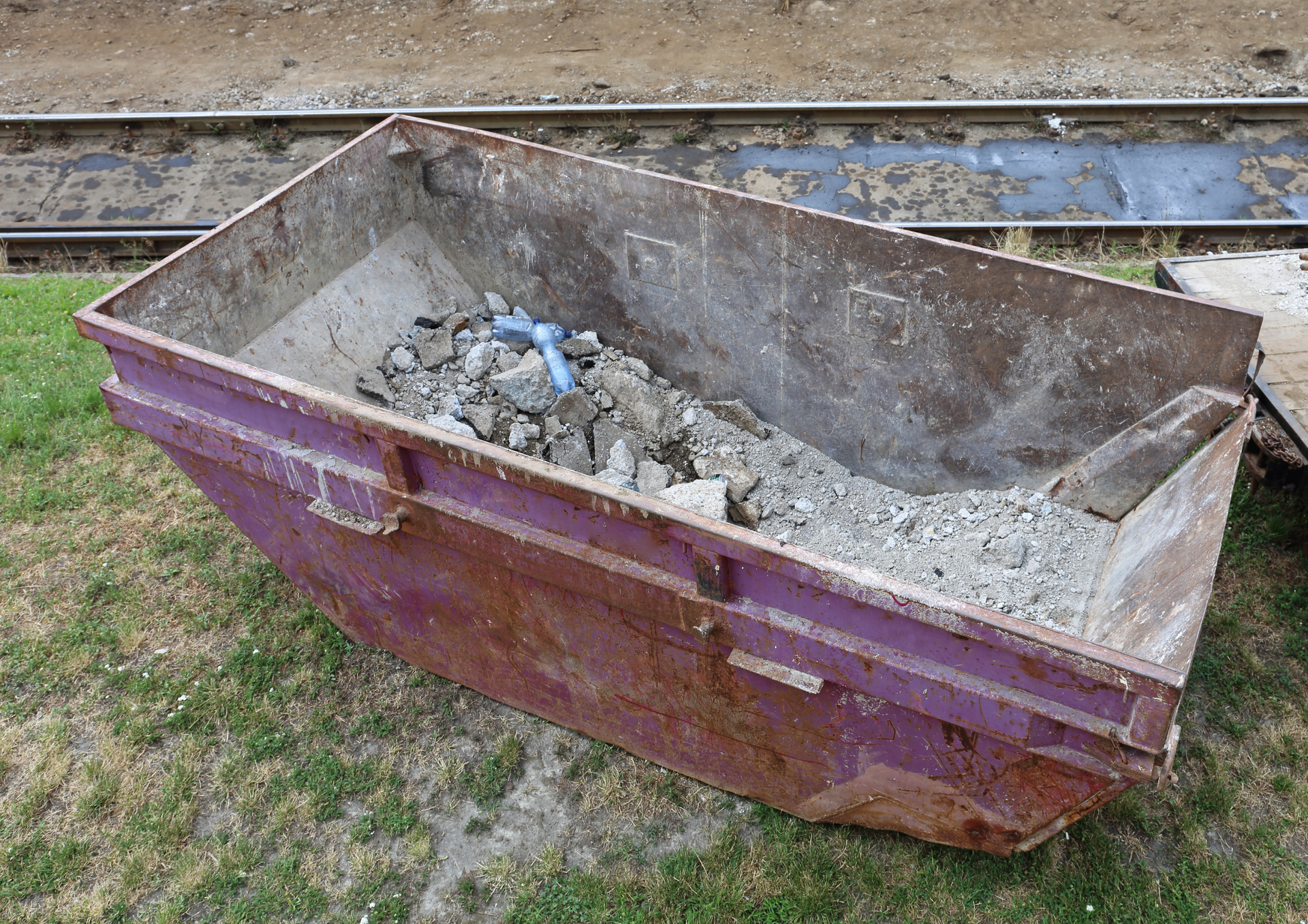

Cheapest Skip Hire: Sizes, Weight Limits & Avoiding Hidden Fees

Whether you're renovating a property, clearing out after an event, or managing waste from a building project, finding the cheapest skip hire can save you both time and money. However, not all low-cost options are what they seem. From size misjudgements to hidden charges and weight limit penalties, choosing a skip isn’t just about picking the cheapest number on a quote.


This guide covers the main factors affecting skip hire costs: size, weight limits, hidden fees, and booking tips.


Choosing the Right Skip Size Without Overpaying

One of the most common mistakes people make when hiring a skip is selecting the wrong size — either too small (which leads to needing a second skip) or too large (resulting in paying for space you don’t use). Both can waste money.


Here’s a basic guide to common skip sizes and what they’re suitable for:

Skip sizes vary to suit different project needs. Mini skips (2–3 cubic yards) can hold approximately 20 to 30 bin bags and are ideal for small garden jobs or household clear-outs. Midi skips (4–5 cubic yards) hold around 40 to 50 bin bags, making them suitable for bathroom or kitchen renovations. Builder’s skips (6–8 cubic yards) offer a capacity of 60 to 80 bin bags and are commonly used for home renovations and light construction waste. For larger-scale projects, large skips (10–12 cubic yards) can accommodate 100 to 120 bin bags, making them perfect for commercial use or full house clearances.


When choosing, think about the type of waste you’ll have, not just how much. Light waste (like garden trimmings or cardboard) takes up space quickly but doesn't weigh much, while heavy waste (like bricks or soil) can hit weight limits fast.


Many looking for cheap bins for hire assume that going for a small skip saves money. But choosing the correct size for your specific job — even if it's slightly bigger — can often avoid the need for a costly second hire.


Weight Limits: What They Are and Why They Matter

Skip hire isn't just about volume — it's also about weight. Each size has a maximum weight allowance set by both the hire company and legal road transport limits. Exceeding this can result in additional charges or refusal to collect the skip.


Here's a general overview:

  • Mini/Midi Skips: Ideal for light, bulky waste (furniture, plastics, garden trimmings)
  • Builder’s Skips (6–8 yards): Can take heavier waste but not full of dense materials like rubble or soil
  • Large Skips (10+ yards): Generally restricted to light waste only — not suitable for hardcore or soil

It’s important to understand that just because something fits in the skip doesn't mean it’s within the allowed weight. A common error is filling a large skip with soil or bricks, which can easily exceed safe transport limits.


When searching for skip bin hire cheapest price, it’s vital to check the weight allowance included in that price. An attractive low fee can quickly balloon if your waste exceeds the limit, leading to unexpected surcharges.


Hidden Costs to Watch Out For

Unfortunately, many people fall into the trap of only comparing upfront skip hire prices without checking what’s included. What appears to be a low-cost option might carry a list of hidden extras that inflate the final bill. Here are some common hidden costs to be aware of:


a. Permit Fees

If you plan to place your skip on a public road or pavement, you’ll usually need a skip permit from your local council. This is not always included in the quote, and fees vary depending on location and duration. Always ask your hire company if they’ll arrange the permit or if you need to do it yourself.


b. Overfilling Penalties

Skips must be filled only to the top edge — not mounded above it. Overfilling is a common issue, and many skip companies will either refuse collection or charge extra if the skip is unsafe to transport.


c. Restricted Items

Items such as fridges, tyres, asbestos, paint tins, and electrical items are classed as restricted waste. Including these without prior arrangement can result in additional fees, or you may be asked to remove them before the skip is collected.


d. Delivery and Collection Charges

Most reputable companies include these in their quotes, but some low-cost operators may charge extra for delivery and/or collection, especially in outlying areas.


When searching online using terms like cheapest skip hire near me, be cautious of offers that seem too good to be true. Always ask for a full cost breakdown to avoid nasty surprises.


How to Get the Cheapest Skip Hire Without Compromise

It’s possible to get real value without sacrificing reliability or service — but only if you know what to look for. Hiring a skip is not just about price, but about transparency, flexibility, and professionalism.


Here are our top tips:

Book Local

Using a local company means lower transport costs, faster service, and better customer support. National brokers often charge a middleman fee and outsource the job.


Avoid Overestimating

If you're unsure what size you need, ask your skip provider for advice. A trustworthy company will guide you — not upsell unnecessarily.


Time it Right

Some companies offer reduced rates for weekday delivery or short hires. If your job is quick, mention you're looking for cheap skip hire for a day and ask about special rates. But beware: day rates often come with strict collection times — missing them can cost you more.


Check Inclusions

Always confirm what’s included in the quote: delivery, collection, permit assistance, and VAT. The real cheapest skip hire is the one that includes everything you need with no extra charges.


Compare Value, Not Just Price

A slightly higher quote that includes everything can end up being cheaper overall than a basic rate filled with hidden extras.


Finding the
cheapest skip hire in Macclesfield — or anywhere else — isn’t just about going with the lowest number. You need to consider the right size, weight limits, permit requirements, and hidden fees that can drive up the cost unexpectedly.


By understanding how pricing works and what’s included, you’ll be better equipped to choose a service that offers real value without surprises. Always ask questions, compare quotes fairly, and choose a provider that is clear, professional, and reliable.


Whether you’re a homeowner clearing out clutter, a business managing relocation waste, or a contractor working on-site, the right skip service makes all the difference.


At
Skip Hire Macclesfield, we combine competitive pricing with expert advice and dependable service — because low cost shouldn’t mean low quality.

When you book with us, you’re choosing a local provider that puts transparency, service, and customer satisfaction first.


  • No hidden fees — what we quote is what you pay
  • Expert guidance on choosing the right skip for your needs
  • Reliable delivery and collection, on time, every time
  • Flexible hire periods, including short-term options
  • Support for all types of customers — homeowners, builders, businesses, landscapers, and more

We serve the entire Macclesfield area with affordable skip solutions tailored to your project size and waste type. Whether you're planning ahead or need a skip urgently, we’re here to help.


Latest post on X:
Cheapest skip hire guide – choose the right size and avoid extra fees!

Skip Hire Macclesfield
01625 720 317

16 Roe Street

Macclesfield, SK11 6UT

United Kingdom

You might also like

September 8, 2026
Urgent waste removal can become necessary for many reasons. A property clearance may produce considerably more rubbish than expected, renovation work can uncover additional materials, or a commercial project may need an area cleared before contractors can continue. When space is limited and work needs to progress quickly, same day skip hire can provide a practical way to manage suitable waste without allowing it to accumulate around the property. Homeowners may encounter unexpected waste while clearing garages, lofts, gardens or rooms before renovation. Landlords can require prompt removal when preparing properties between occupants, while surveyors and local authorities may need waste arrangements to fit around maintenance or improvement programmes. Commercial properties can present similar challenges, particularly where rubbish begins interfering with working areas, access routes or planned refurbishment work. Properties throughout Macclesfield include traditional homes, modern developments, retail premises, offices and other commercial buildings. Access, available space and the amount of waste produced can therefore vary considerably from one project to another. These differences are also relevant elsewhere in the UK, making careful planning important even when removal is required at short notice. Fast arrangements are most effective when customers still take time to consider waste volume, suitable positioning and the type of material involved. A prompt service should support an organised project rather than encourage rushed decisions. Understanding the requirements of the job makes it easier to choose suitable capacity and coordinate removal with the work being undertaken. Recognising When Urgent Waste Removal May Be Necessary Not every project requiring quick waste removal begins unexpectedly. Sometimes a planned clearance progresses faster than anticipated, or contractors reach a stage where accumulated material needs to be removed before the next phase can start. Where immediate arrangements are unavailable or unnecessary, next day skip hire can provide another practical option for customers who need prompt service while still having some time to prepare the site. Unexpected Home Clearances Loft, garage and spare-room clearances can uncover considerably more unwanted material than initially expected. Furniture, stored belongings and packaging can occupy working areas quickly once sorting begins. Prompt waste arrangements help prevent unwanted items from being repeatedly moved from one part of the property to another. Preparing a clear route between the property and disposal area can make the work easier to manage. Renovation and Maintenance Work Removing old kitchens, bathrooms, flooring or internal fittings can create substantial quantities of material within a short period. Contractors may need areas cleared before subsequent work can begin. Keeping waste contained can provide more usable working space during busy renovation projects. Estimating what later stages may produce helps customers avoid focusing only on the material already visible. Landlord and Property Management Requirements Properties between occupants may need unwanted belongings and maintenance debris removed within a limited timeframe. Planned decorating or repair work can depend on rooms being cleared first. Surveyors coordinating wider property works may need waste removal to fit around contractor schedules. Organising disposal early can reduce interference between different stages of a project. Commercial and Public Properties Offices, shops and other premises can generate bulky materials during refurbishment or clearance work. Waste left in circulation areas may interfere with staff, contractors or building users. Local authorities coordinating property maintenance may need removal arrangements to fit a broader programme. Scheduling waste handling alongside other work helps maintain an organised site. Urgency should not mean ignoring practical considerations. Even when time is limited, identifying the waste type, likely quantity and available access before booking can reduce the likelihood of difficulties during delivery or collection. Planning Fast Waste Removal Without Creating Further Problems Speed is useful when rubbish is beginning to interfere with a project, but a quick booking should still be based on a reasonable understanding of what the property requires. Customers searching for same day skip hire near me may be focused primarily on availability, yet capacity, access and the type of waste being removed remain equally important considerations. The first step is to assess how much material is actually present. Waste can appear relatively manageable while it remains distributed throughout several rooms, but the overall volume often becomes clearer once everything is brought together. Furniture, timber, old fittings and garden materials can also occupy substantial space because of their shape. Customers should consider whether additional waste is likely to appear as the project progresses. If a renovation has only just begun, choosing capacity solely according to the material already removed may result in available space being used much sooner than expected. Looking at the complete project can provide a more realistic estimate. Access should also be assessed before arranging delivery. Residential streets may contain parked vehicles, narrow entrances or limited manoeuvring space. Driveways and external areas should be kept clear where possible so the delivery vehicle can approach the intended position. Commercial sites can require additional preparation. Loading areas, entrances and parking spaces may need to remain available for staff or customers. Coordinating delivery with quieter periods can help reduce disruption while allowing waste arrangements to support the wider project. The proposed position deserves careful consideration as well. A convenient location can reduce the distance materials need to be carried, but it should not unnecessarily obstruct entrances or important access routes. Thinking about how people will move between the building and the waste area helps create a more efficient working arrangement. Customers should also establish what materials they intend to remove. Household belongings, garden materials and renovation debris can have different characteristics, and not everything should automatically be treated in the same way. Checking suitability beforehand prevents uncertainty once loading has started. Even during urgent projects, an organised loading approach can improve efficiency. Moving waste directly to its intended destination rather than creating temporary piles keeps rooms and access routes clearer. Where suitable, bulky items can be broken down to use the available capacity more effectively. Clear communication is particularly valuable when arrangements are being made quickly. Providing accurate information about the property, waste and access helps ensure that the service selected reflects the actual circumstances rather than assumptions made under time pressure. Choosing Suitable Capacity for an Urgent Project Selecting appropriate capacity remains important even when same day skip hire is required at short notice. A container that is too small may fill before the project is complete, while choosing substantially more space than necessary can be inefficient. Considering the type and scale of work helps customers make a more balanced decision. Small Household Jobs Individual room clearances, decorating projects and modest garden work may produce relatively limited quantities. Customers should consider bulky objects as well as bags or smaller materials when estimating requirements. Limited positioning space can influence which capacity is practical at residential properties. Assessing the whole task before booking can reduce the likelihood of underestimating requirements. Whole-Property Clearances Emptying several rooms can generate substantially more waste than dealing with one area at a time. Furniture, carpets, stored belongings and old fittings can use available capacity quickly. Assessing each room before the clearance begins provides a clearer overall estimate. Garages, sheds, lofts and external areas should also be included where relevant. Renovation and Building Work Kitchen and bathroom projects can generate old cabinets, flooring, fixtures and other materials. Larger renovations may create waste at several different stages. Customers should consider what the complete project is expected to produce rather than only the first phase. Keeping suitable waste contained helps maintain more organised working areas. Commercial Clearances Offices can produce desks, shelving, storage materials and general unwanted items. Retail refurbishment may involve displays, fixtures and interior materials. Larger premises may require waste arrangements to be coordinated with several contractors. Choosing suitable capacity can reduce unnecessary interruptions during the project. Capacity should therefore be based on a realistic assessment rather than urgency alone. Spending a short amount of time reviewing the property and expected materials before booking can make the subsequent clearance considerably easier to manage. Keeping Urgent Clearances Organised from Delivery to Collection Having a same day skip available can provide an immediate destination for suitable waste, but organisation remains important after delivery. A clear plan for loading, site access and eventual collection helps ensure that fast removal arrangements continue to support the project rather than becoming another logistical concern. One practical approach is to work through the property systematically. Clearing individual rooms or defined areas before moving to the next makes progress easier to monitor. It also reduces the tendency to move unwanted items repeatedly between different parts of the building. Maintaining clear access routes is equally important. Hallways, doorways, garden paths and driveways can quickly become obstructed when several people are carrying materials. Moving items directly to the designated waste area can reduce temporary piles and make movement around the property easier. Bulky objects should be considered carefully when loading. Furniture and large fittings can occupy substantial capacity if positioned inefficiently. Where appropriate, dismantling suitable items can help make better use of the available space while keeping the load organised. For renovation work, customers should think about how waste generation will change as different stages are completed. Initial stripping-out work may create a large quantity quickly, while later stages may produce smaller amounts over a longer period. Understanding this pattern helps coordinate waste removal with the wider schedule. Landlords working to prepare properties for new occupants may need collection completed before cleaners, decorators or other trades arrive. Coordinating these stages reduces the likelihood of one task interfering with another. Commercial properties may require even closer scheduling. Where part of a building remains operational, loading should avoid unnecessarily blocking entrances or circulation areas. Contractors should also understand where suitable waste needs to be placed so the site remains organised. Weather can affect outdoor clearances as well. Garden work, landscaping and external maintenance may need to be completed within suitable conditions, increasing the importance of having waste arrangements ready when required. Customers should also avoid overfilling or placing unsuitable materials into the container. A quick project still benefits from careful handling, and following appropriate loading requirements can help collection proceed without unnecessary complications. Planning collection before the project reaches its final stage can also be useful. Where same day skip hire is required, knowing the approximate completion time can help customers coordinate prompt removal once the work is finished. This prevents the equipment from occupying valuable space longer than necessary and helps bring the waste management process to an organised conclusion. Skip Hire Macclesfield provides practical waste removal support for residential and commercial projects throughout the local area. We understand that urgent requirements can arise unexpectedly, which is why clear communication and sensible planning are central to the way we support customers. Whether a homeowner is clearing a property, a landlord is preparing accommodation, or a larger project requires organised waste management, we aim to help customers choose an arrangement suited to their individual circumstances. Our approach to skip hire focuses on understanding expected waste volumes, available access, project timescales and suitable capacity. Providing these details at the beginning helps create a straightforward arrangement that supports the work being undertaken. Check out our latest X update on how same day skip hire can help with urgent waste removal needs and keep projects moving without unnecessary delays.
August 25, 2026
Learn what to consider before booking waste removal, from choosing the right skip size and planning access to comparing costs and arranging reliable collection.
August 10, 2026
Discover what can influence skip hire prices, from skip size and waste type to location and collection, with practical guidance from Skip Hire Macclesfield.
More Posts