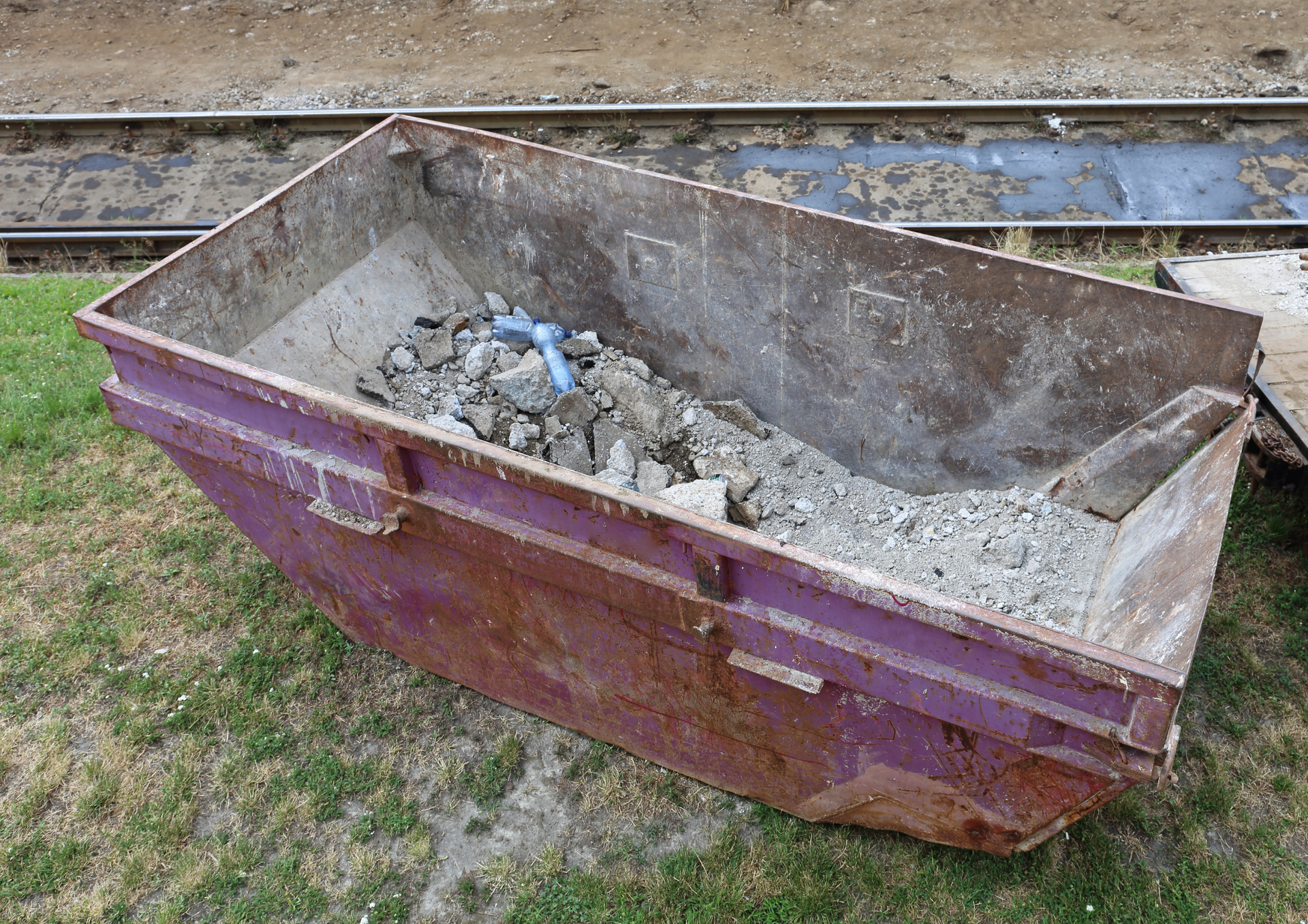

Hiring a Skip for End of Tenancy Property Clearance Projects
End of tenancy property clearances can be challenging, particularly when large volumes of unwanted items, furniture, household waste, and general rubbish need to be removed within a limited timeframe. Whether preparing a residential property for new occupants or clearing a commercial premises after a tenancy agreement has ended, effective planning plays an important role in ensuring the process runs smoothly.
For homeowners, landlords, surveyors, local authorities, and property managers, organising waste removal efficiently helps improve productivity while reducing disruption. One practical solution that continues to support clearance projects of all sizes is hiring a skip. By providing a dedicated location for waste disposal, skips help keep sites organised while allowing unwanted materials to be removed safely and responsibly.
Property clearances often involve a wide variety of waste streams. Old furnishings, damaged fixtures, packaging materials, garden waste, carpets, shelving, and general household items can quickly accumulate during the clearance process. Without a structured disposal plan, waste can become difficult to manage and may slow progress considerably. Understanding how to approach end of tenancy clearances effectively can help ensure projects remain organised from start to finish.
Understanding End of Tenancy Property Clearance Requirements
Every property clearance project is unique. Some properties may require the removal of only a small number of unwanted items, while others may involve extensive clear-outs following many years of occupancy.
Before beginning any clearance project, it is beneficial to conduct a thorough assessment of the property. Identifying the types and volume of waste likely to be generated can help determine whether hiring a skip is the most suitable solution for the project.
Planning waste disposal arrangements in advance allows materials to be managed more efficiently, helps reduce delays, and supports a smoother property clearance process from start to finish. Residential properties frequently contain a mixture of furniture, appliances, personal belongings, flooring materials, and garden waste.
Commercial premises may involve office furniture, shelving systems, packaging materials, fixtures, fittings, and other business-related waste. Understanding the type and quantity of materials involved allows appropriate disposal arrangements to be made from the outset.
Many landlords arrange property clearances between tenants to prepare buildings for refurbishment, maintenance work, or new occupants. Surveyors and local authorities may also oversee larger clearance projects involving vacant buildings, housing stock, or redevelopment sites. Careful planning helps ensure all parties involved can work safely while maintaining access throughout the property.
Choosing the Right Skip Size for the Clearance
Selecting the right skip size can make a significant difference to the efficiency of an end of tenancy property clearance. Choosing a container that matches the volume of waste being generated helps maintain productivity, reduces unnecessary disruptions, and ensures materials can be removed in a practical and organised manner. Below are some common skip sizes and the types of projects they may be suitable for.
2 Yard Skip
- Suitable for small-scale clearance projects.
- Ideal for disposing of limited amounts of household waste.
- Often used for clearing cupboards, small rooms, or minor property tidy-ups.
- A practical option where space on site is restricted.
4 Yard Skip
- Suitable for moderate volumes of waste.
- Commonly used for household clearances involving flooring materials, packaging, and unwanted furniture.
- Offers additional capacity while remaining compact enough for many residential locations.
- Useful for clearing individual rooms or smaller properties.
8 Yard Skip
- Popular for larger end of tenancy clearance projects.
- Suitable for mixed household and commercial waste.
- Can accommodate furniture, fixtures, fittings, and general property clearance materials.
- Often chosen when multiple rooms require clearing.
8 Yard Skip Hire
- Well suited to substantial clearance projects generating bulky waste.
- Provides sufficient capacity for furniture, renovation debris, and large quantities of unwanted contents.
- Helps minimise interruptions caused by arranging additional waste collections.
- Commonly selected for extensive residential and commercial property clearances.
The most appropriate skip size will depend on the type of property, available space, and the quantity of waste expected during the clearance project.
Managing Waste Responsibly During the Clearance
Effective waste management plays an important role during any end of tenancy property clearance. Organising materials correctly can improve efficiency, reduce unnecessary delays, and support more responsible disposal practices throughout the project.
Separate Materials Where Possible
- Sort waste into categories such as timber, metal, cardboard, plastics, and general rubbish.
- Different materials may require different disposal or recycling methods.
- Early segregation can make waste handling more efficient and easier to manage.
- Separating materials may also support recycling initiatives where facilities are available.
Identify Reusable Items
- Assess furniture, fixtures, and other items before disposal.
- Some belongings may be suitable for donation, reuse, or repurposing.
- Reusing materials can reduce the overall volume of waste generated.
- Early identification of reusable items can help streamline the clearance process.
Maintain an Organised Working Area
- Keep waste contained within a designated skip whenever possible.
- Reduce the risk of rubbish accumulating throughout the property.
- Help maintain clear access routes for contractors and maintenance teams.
- Support a safer and more efficient working environment.
Implement a Structured Waste Management Plan
- Establish disposal procedures before clearance work begins.
- Coordinate waste removal alongside other project activities.
- Monitor waste volumes to ensure adequate disposal capacity is available.
- Help minimise disruption during larger residential and commercial clearance projects.
By adopting a structured approach to waste management, property owners and professionals can improve efficiency, maintain organisation, and support more sustainable clearance practices.
Planning a Smooth and Efficient End of Tenancy Project
Successful property clearances are typically the result of careful preparation and effective project management. Establishing a clear timeline before work begins helps ensure resources, labour, and waste disposal arrangements are coordinated effectively.
Access considerations should be reviewed in advance. Delivery vehicles, contractors, maintenance teams, and waste collection services may all require sufficient space to operate safely throughout the clearance period. Identifying potential access restrictions early can help prevent delays later in the project.
Communication between all parties involved also plays an important role. Landlords, property managers, contractors, surveyors, and maintenance teams should understand project requirements, expected completion dates, and waste disposal arrangements from the outset.
Where refurbishment or repair works are planned following the clearance, coordinating waste removal with subsequent trades can help maintain productivity and reduce downtime. Removing unwanted materials promptly allows maintenance work to commence without unnecessary delays.
Many property professionals find that hiring a skip supports a more structured approach to waste management by providing a central disposal point throughout the clearance process. This helps maintain organisation while allowing teams to focus on preparing the property for its next stage of use.
As with any project, flexibility remains important. Unexpected items, additional waste, or changing project requirements can arise during the clearance process. Planning for these possibilities helps minimise disruption and supports smoother project delivery.
At
Skip Hire Macclesfield, we understand the practical challenges involved in property clearance projects. We support homeowners, landlords, surveyors, local authorities, and businesses with dependable waste management solutions designed to assist projects of all sizes.
Our website provides straightforward information, helpful guidance, and practical advice to help customers make informed decisions about waste disposal requirements. We focus on delivering clear and reliable information that supports efficient project planning while helping customers identify suitable solutions for residential and commercial clearances.
Whether you are preparing a property for new tenants, managing refurbishment work, or coordinating a larger clearance project, we aim to provide helpful resources and professional guidance that support successful project outcomes from start to finish.
Latest Post on X: Hiring a
skip support for household and tenancy waste removal.
You might also like